

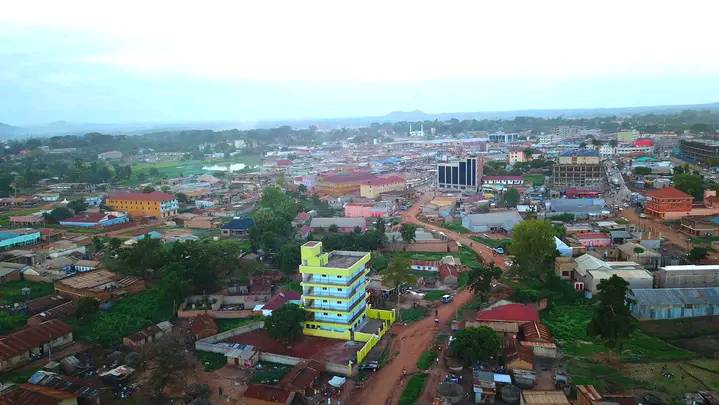
Lira City is a relatively new city in Uganda that was granted city status on July 1, 2020. However, the area has a rich history dating back to pre-colonial times.
The region around Lira City was originally inhabited several ethnic groups, including the Langi, Alur, and Iteso people. The Langi people, who are the largest ethnic group in the area, have a long history of political organization and resistance against colonialism.
During colonial rule, the British established Lira as a district headquarters in 1906. The town grew in size and importance as an administrative center for the surrounding area, and it became a hub for trade, transportation, and communication.
After Uganda gained independence in 1962, Lira continued to grow and develop. The construction of roads and other infrastructure helped to connect the city with other parts of the country and improve access to markets and services.
However, the region also experienced significant political turmoil during this time. Following the overthrow of Idi Amin in 1979, Lira was the site of intense fighting between government forces and rebels associated with the Uganda National Liberation Front (UNLF).
In more recent years, Lira has seen significant economic growth and development. The opening of a new airport in nearSoroti has improved transportation links to the city, and there has been investment in a range of industries, including agriculture, manufacturing, and tourism.
Overall, the history of Lira City is one of resilience and growth, characterized both challenges and opportunities. Today, it is a vibrant urban center that continues to play an important role in the social, economic, and cultural life of northern Uganda.