

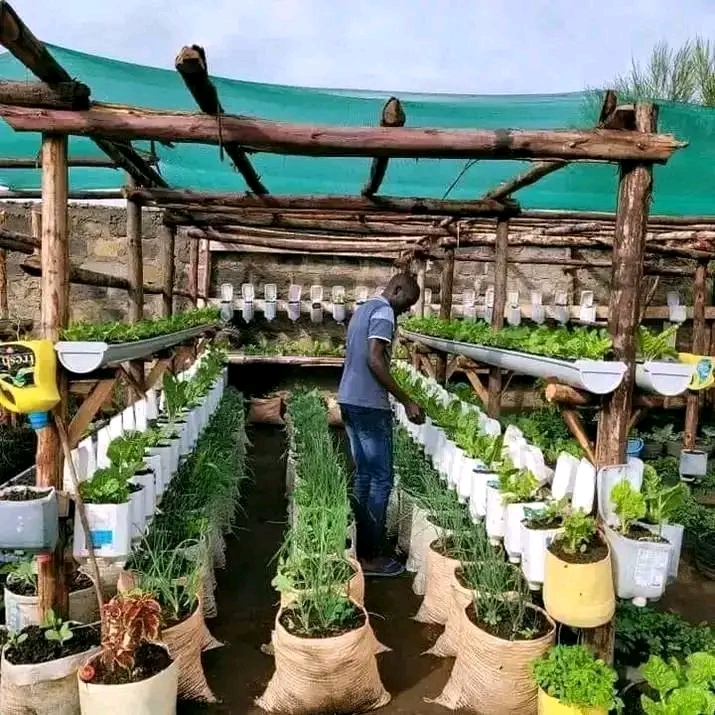
Farming: 10 tips of becoming a urban farmer
Becoming a farmer in an urban area can be challenging, but with careful planning and some creativity, it is definitely possible. Here are some tips to help you get started:
- Research local regulations: Before anything else, familiarize yourself with the zoning laws and regulations in your area. Some cities have specific rules and restrictions regarding urban farming activities, such as land use, livestock, and crop types. Make sure you comply with all the necessary permits and permissions.
- Assess available space: Evaluate the available space you have for farming. This might include a backyard, rooftop, balcony, or community garden plots. Consider factors like sunlight exposure, access to water, and soil quality. You may also explore opportunities for vertical gardening or hydroponics if space is limited.
- Start small and focus on high-value crops: Begin with a small-scale operation and gradually expand as you gain experience and confidence. Opt for high-value crops that are in demand locally, such as herbs, salad greens, microgreens, or specialty vegetables. These crops often require less space and provide a better return on investment.
- Improve soil quality: Soil quality is crucial for successful farming. If your soil is poor, consider using raised beds or containers filled with nutrient-rich soil mixtures. Compost kitchen scraps, yard waste, and other organic matter to improve soil fertility over time.
- Water management: Depending on your available water sources, you may need to carefully manage water usage. Install efficient irrigation systems like drip irrigation or soaker hoses to minimize water waste. Collect rainwater using barrels or tanks to supplement your irrigation needs.
- Learn about urban farming techniques: Educate yourself about urban farming techniques, such as vertical gardening, container gardening, aquaponics, or hydroponics. These methods maximize space utilization and allow for year-round cultivation.
- Connect with the community: Join local gardening or farming communities, attend workshops, and network with experienced urban farmers. They can provide valuable insights, tips, and support as you navigate the challenges of urban farming.
- Consider livestock and poultry: Depending on local regulations, you might be able to keep small livestock or backyard poultry for eggs or meat. However, ensure that you comply with all the rules and regulations related to animal housing, welfare, and waste management.
- Market your produce: Explore various avenues to sell your harvest. This could include selling directly to consumers through farmers markets, setting up a farm stand, supplying to local restaurants and grocery stores, or participating in community-supported agriculture (CSA) programs.
- Continuously learn and adapt: Farming is a dynamic field, so stay updated with the latest techniques, trends, and research in urban farming. Adapt your practices based on your experiences and feedback from customers. Embrace experimentation and learn from both successes and failures.
Remember, urban farming requires patience, dedication, and adaptability. It may take time to establish a profitable operation, but with passion and perseverance, you can enjoy the rewards of growing food in an urban setting.