

Severe Weather Devastates Crops in Zombo District, Heightening Famine Risks Amid Environmental Degradation
Last week, a devastating combination of torrential rainfall and destructive hailstorms struck Jupandindu ward in Padea town council, Zombo District, severely impacting the region’s food security and raising fears of potential famine.
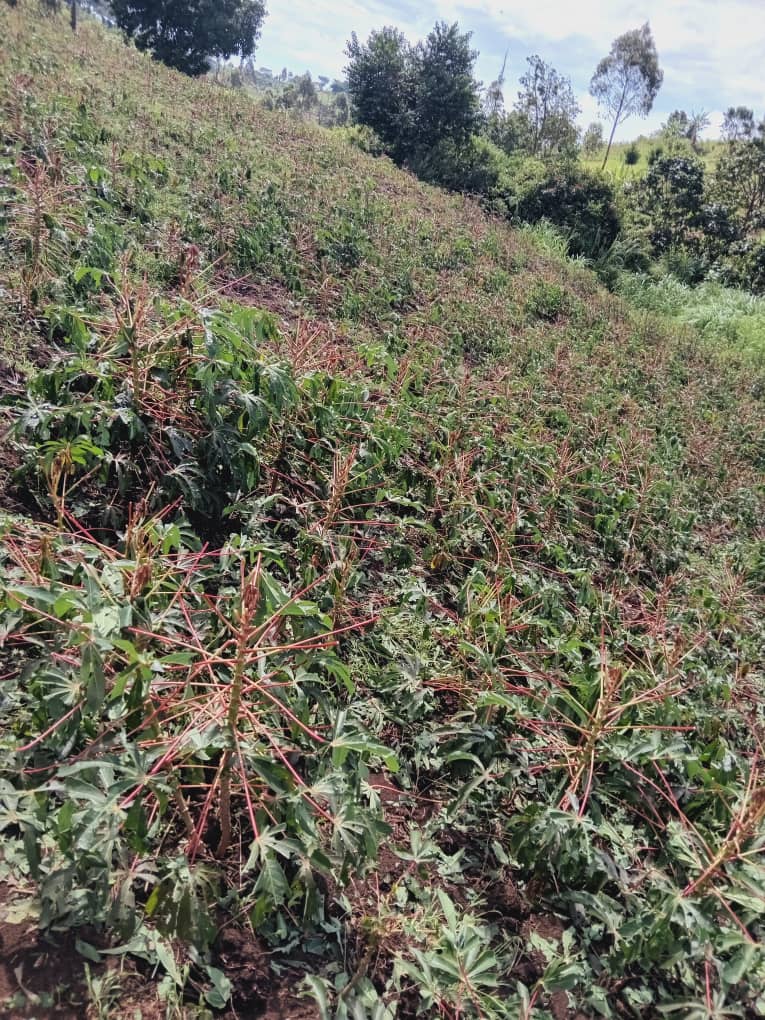
The natural calamity inflicted widespread damage on vital staple crops, including maize, beans, cassava, and avocado plantations. Notably, the Limu, Omva, and Awilli cell areas experienced near-total crop failure, deepening the socio-economic and psychological hardships faced local farmers.
The loss of these critical food sources has escalated concerns over famine, with hundreds of farmers now confronting severe food shortages. Melki Onyutha Orwothuwun, the LCIII Chairperson of Padea town council, described the extent of the destruction as “immense” and urgently called on the district disaster management committee and humanitarian agencies to act swiftly to mitigate the crisis.
Local leaders and farmers have reported significant economic losses, leaving communities in distress. Historically, Zombo District’s dense vegetation cover provided a natural buffer against extreme weather events. However, since the early 2000s, widespread deforestation and depletion of forest reserves have increased the area’s vulnerability to hazards such as hailstorms, floods, and strong winds. Environmentalists warn that this environmental degradation has intensified the impacts of climate-induced disasters.
In response, Denis Dongwa, Zombo’s Secretary for Production, along with councilor Francis Bolingo of the production committee, instructed the Padea leadership to prepare a comprehensive disaster impact assessment report. This report will be submitted to relevant authorities to inform further action. Festus Ayikobua, the Resident District Commissioner of Zombo, pledged to escalate the findings to the Chief Administrative Officer (CAO) to secure support for the affected communities.
The recent disaster follows a similar event in 2024, when heavy rains and hailstorms devastated Abanga sub-county, affecting parishes such as Serr and Pakadha, and destroying crops vital to local food security.
The district disaster management committee has repeatedly voiced concerns about insufficient funding, which hampers effective disaster preparedness and response efforts, leaving communities increasingly exposed to recurrent climate-related hazards.
Historically, Uganda faces a range of climate hazards, with hailstorms ranked among the seven priority risks alongside floods, droughts, landslides, lightning, windstorms, and earthquakes, according to the National Risk Atlas (2019). Hailstorms, characterized brief but intense ice precipitation, can cause severe damage to crops and infrastructure within minutes.
In 2025, the destruction of crops in Zombo further worsens the region’s famine risk, especially in rural areas dependent on subsistence farming. The Uganda National Meteorological Authority (UNMA) reports that Uganda’s primary rainy seasons are March-April-May (MAM) and September-October-November-December (SOND), with June-July-August (JJA) often experiencing high rainfall in northern regions like Zombo. However, February 2025 saw unusually dry conditions with high temperatures, making the recent sudden heavy rains and hailstorms particularly disruptive and alarming for local communities.