

The Lango Dream Deferred: Why Akii Bua Stadium Won’t Host AFCON 2027
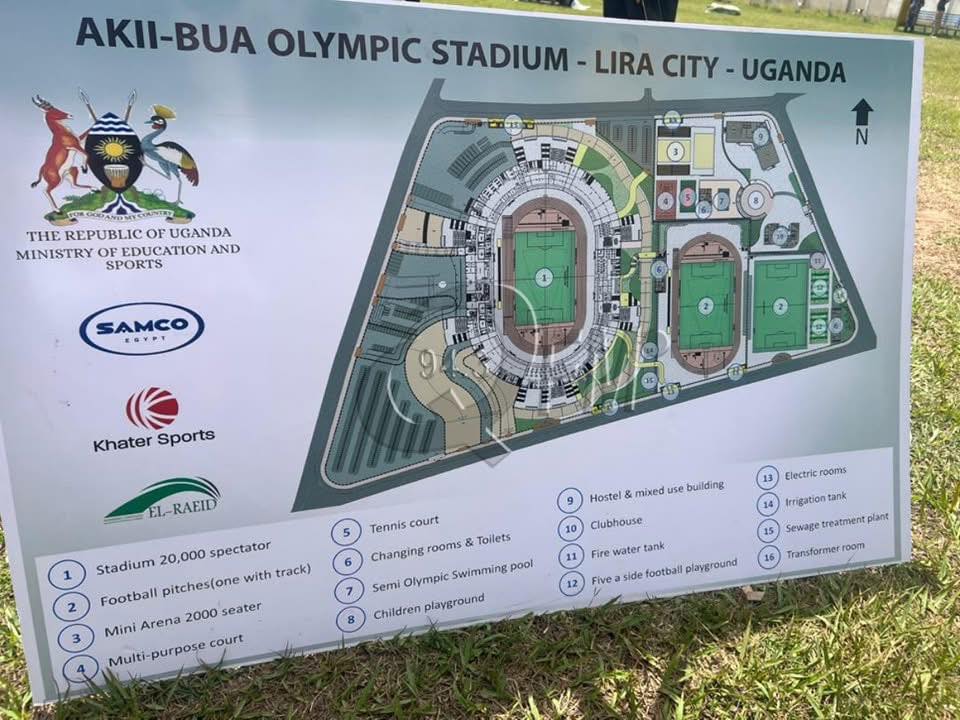
For the people of Lira and the greater Northern Uganda, the dream was vivid: the roar of 20,000 fans, the flicker of floodlights over the Lango sub-region, and the historic opportunity to host Africa’s finest footballers on home soil. Named after Uganda’s first Olympic gold medalist, John Akii-Bua, the stadium was more than just a sports facility; it was a symbol of regional pride and inclusion in the historic “Pamoja” bid alongside Kenya and Tanzania.
However, as the countdown to 2027 narrows, the reality has set in. While Akii Bua Stadium remains a central part of Uganda’s future sports infrastructure, it has been sidelined as a primary match venue for the tournament. Here is the breakdown of why the Lango dream was deferred.
1. The Race Against Time
The most significant hurdle has been the construction timeline. Despite a groundbreaking ceremony in early 2025, recent parliamentary reports and inspections in April 2026 indicate that the project is still far from the finish line. While some government officials remain optimistic, reports from the Leader of the Opposition and site inspections suggest the stadium is only at roughly 30% to 50% completion.
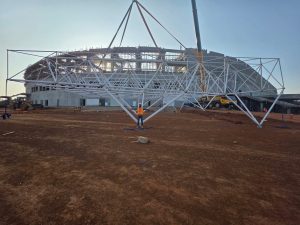
With the Confederation of African Football (CAF) requiring venues to be fully operational and tested months before the opening whistle, the “20-month” construction window proved too tight for the scale of a state-of-the-art Category 4 stadium.
2. The “Category 4” Benchmark
CAF does not just look for a field and seats; they demand Category 4 certification. This requires:
-
Precise spectator segregation.
-
Advanced media and broadcasting infrastructure.
-
Specific “viewing angles” and high-density lighting.
-
Elite-level player and official movement channels.
As of early 2026, CAF inspections revealed that even Uganda’s more “advanced” projects, like Hoima City Stadium, were struggling to meet these stringent requirements. For Akii Bua, which is still in its structural phase, the gap between current progress and Category 4 status became an insurmountable bridge for the 2027 deadline.
3. Logistical and Infrastructure Gaps
Hosting an AFCON match isn’t just about what happens inside the stadium. CAF requires a host city to have:
-
International-standard hotels: To accommodate multiple national teams, VIPs, and thousands of fans.
-
Transport Links: Proximity to an international airport or high-quality road networks.
-
Training Facilities: Nearpitches that match the quality of the main stadium.
While Lira is a growing city, the auxiliary infrastructure required to host a continental tournament—specifically high-end hospitality and specialized training grounds—was judged to be behind the curve compared to Kampala and Hoima.
4. A Strategic Pivot to “Backup” Status
Recognizing the risks of failing to meet CAF’s final inspection, the Ugandan government has tactically shifted its focus. According to recent statements from the Ministry of Sports, Akii Bua is now being positioned as a training and backup venue rather than a primary match host.
By focusing on Mandela National Stadium (Namboole) and the Hoima City Stadium as the primary match venues, Uganda aims to concentrate its resources and ensure it doesn’t lose its hosting rights entirely.
The Silver Lining: A Lasting Legacy
While the disappointment in Lira is palpable, the story of Akii Bua Stadium isn’t a tragedy. The project is still under construction with a US$129 million investment. Even if it doesn’t host an AFCON match in 2027, the facility will eventually provide Northern Uganda with a world-class venue for:
- Regional training camps for teams during the tournament.
-
International athletics and football in the years following.
-
Youth development for the next generation of Ugandan “Akii-Buas.”
The lights might not shine for AFCON 2027, but the foundation is being laid for a future where Northern Uganda never has to wait on the sidelines again.