

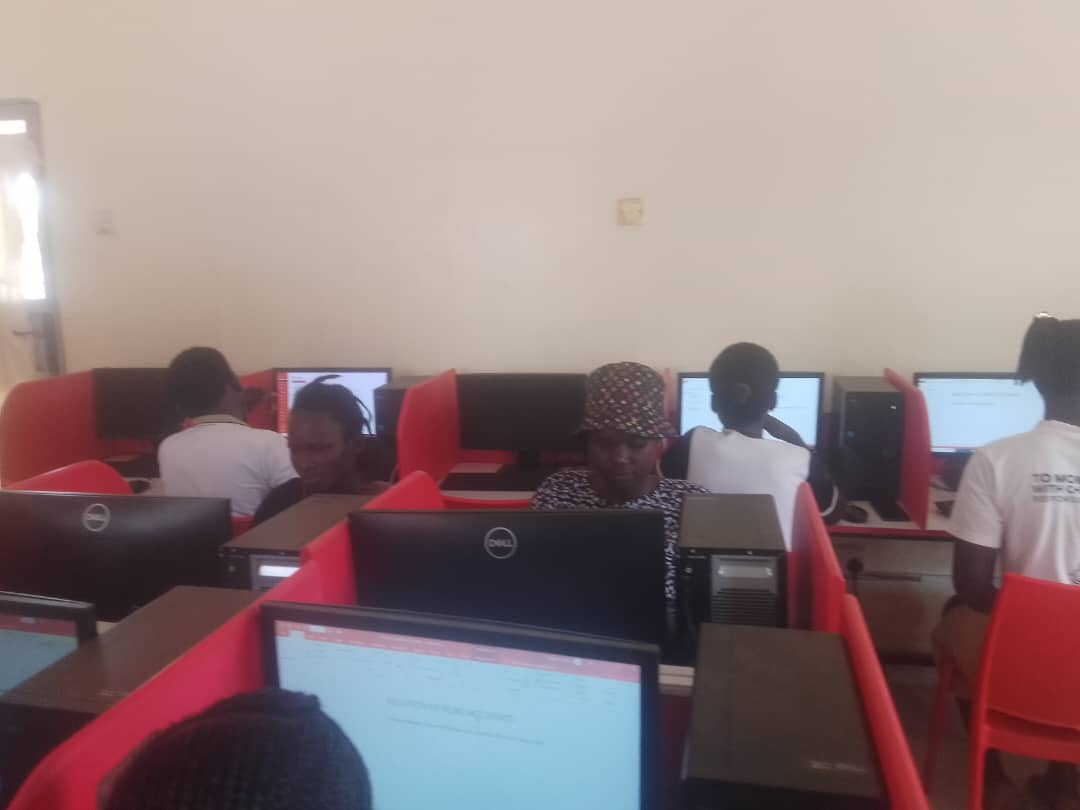
The Importance of Basic Computer Skills in Today’s Digital Era
In an age heavily dominated technology and digital communication, basic computer skills have become essential for people of all ages. From job seekers and students to older adults looking to stay connected, proficiency in using computers is no longer a luxury; it’s a necessity. As we navigate this rapidly evolving digital landscape, understanding why basic computer skills are so critical can empower individuals and enhance their prospects in various aspects of life.
Employment Opportunities
With an increasing number of jobs requiring at least a basic understanding of computers, those equipped with essential computer skills have a competitive advantage. Employers often seek candidates who can manage emails, utilize word processors, operate spreadsheets, and navigate the internet effectively. In many fields, the ability to conduct research online, use presentation software, and collaborate via cloud-based platforms is now standard.
Basic computer skills are not only applicable in IT-related jobs; they are relevant across sectors such as healthcare, education, retail, and more. Having a strong command of these fundamentals can greatly increase employability and job security in today’s technology-driven market.
Enhancing Communication
In our interconnected world, the ability to communicate effectively through digital platforms is crucial. Basic computer skills enable individuals to engage with colleagues, friends, and family via email, social media, and other online communication tools. Understanding how to navigate video conferencing software has also become invaluable, especially in the context of remote work and virtual meetings.
Moreover, computer literacy fosters collaboration through shared documents and project management tools, allowing teams to work more efficiently. Miscommunication can be minimized when individuals are comfortable using the technology that facilitates their conversations.
Accessing Information
The internet is a treasure trove of information, but it can be overwhelming without the skills to navigate it effectively. Basic computer skills help individuals search for relevant information, evaluate sources, and discern credible data from misinformation. Whether for academic research, personal interest, or keeping up with current events, the ability to find and analyze information online is a vital skill in the digital era.
Additionally, knowing how to use search engines effectively and understanding Internet safety protocols ensures that individuals can access the right information securely and responsibly.
Online Learning and Development
The COVID-19 pandemic accelerated the shift towards online learning, making digital literacy more critical than ever. Basic computer skills enable individuals to enroll in online courses, complete assignments, and participate in virtual discussions. Platforms like Google Classroom, Microsoft Teams, and other educational tools have become commonplace in academic environments.
Furthermore, with the rise of lifelong learning, individuals can pursue new hobbies or career skills through online courses, webinars, and tutorials. Therefore, possessing basic computer skills is essential for personal and professional development in a self-directed manner.
Everyday Tasks
In our day-to-day lives, many routine tasks require some level of computer proficiency. From online banking and shopping to scheduling appointments and accessing health records, basic computer skills simplify and streamline daily activities. This not only saves time but also enhances efficiency and convenience.
Furthermore, familiarity with various applications and tools helps individuals manage their finances, plan travel, or even stay organized with calendars and to-do lists.
Staying Safe and Secure
As technology advances, so do the threats associated with it. Basic computer skills empower individuals to recognize potential online dangers, such as phishing scams, identity theft, and malware. Understanding the importance of strong passwords, safe browsing practices, and regular updates can significantly reduce the risk of falling victim to cybercrime.
In addition, having a foundational knowledge of internet privacy settings and digital footprints allows individuals to safeguard their personal information and maintain control over their online presence.
Basic computer skills are no longer an optional asset but an essential toolkit for navigating the complexities of our digital world. From ensuring employability to enhancing communication and facilitating access to information, the ability to use a computer effectively is crucial for success in both personal and professional realms. As technology continues to evolve, investing time in developing and refining basic computer skills is not just beneficial but imperative for thriving in today’s digital era. Whether through formal education, online resources, or self-teaching, improving these skills can open a world of opportunities and foster lifelong growth.
Compiled Okwanga Oscar, I.T Administrator – Lira Public Library, Computer Trainer – Mass Projects Uganda, Coding Ambassodor – Tangible Africa and Technical Coach @ Refactory